In the data era, being “data-driven” was once seen as the key to gaining competitive advantage. However, as organizations begin to notice that decision-making speed is slowing rather than improving, a critical question emerges: Are businesses truly leveraging data in the right way to optimize performance? As a result, many are turning to Decision Intelligence as an inevitable evolution in modern decision-making.
Over the past decade, the term data-driven has become a standard in modern corporate governance. Organizations have heavily invested in data infrastructure, centralized data warehouses, and Business Intelligence (BI) tools. Reports have multiplied, dashboards have become increasingly sophisticated, and access to real-time metrics is now faster than ever.
Yet a paradox persists: more data does not necessarily lead to faster decisions. Analytical capabilities have improved, but competitive advantage has not increased proportionally. The issue is no longer a lack of data, but how data is used in the decision-making process.

Data-Driven: Sufficient for Reflection, Insufficient for Action
For years, being data-driven meant making decisions based on numbers rather than intuition. In practice, most organizations have achieved this at a foundational level: standardized reporting systems, regularly updated metrics, and near real-time dashboard access across departments.
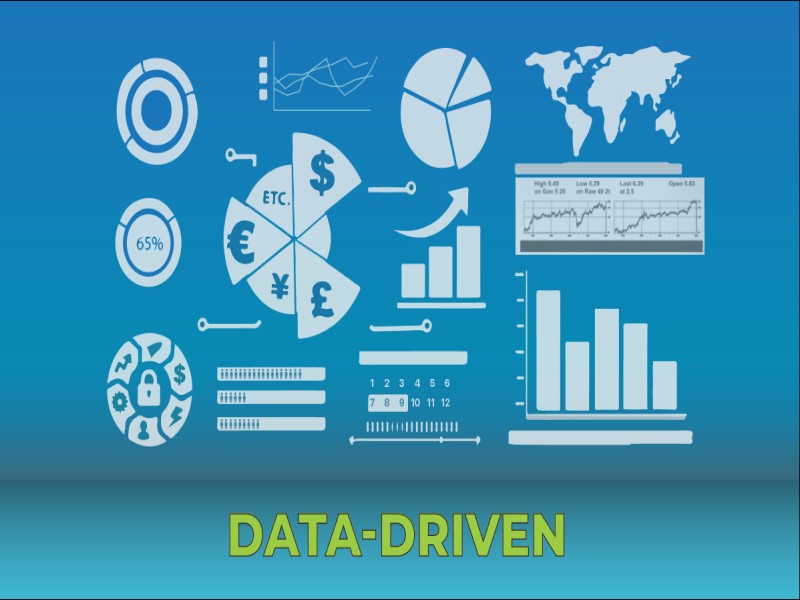
However, in many cases, relying on data still primarily means confirming what has already happened. Reports typically revolve around familiar questions: Did revenue increase or decrease compared to last month? Did actual expenses exceed the budget? What percentage of targets has each department achieved?
Traditional reporting models were designed for control and performance evaluation, making them suitable in relatively stable markets with long planning cycles. But in today’s rapidly shifting environment, where volatility is constant and unpredictable, data that only reflects the past inevitably causes organizations to lag behind the market.
The problem is not data accuracy. The numbers may be completely correct. The limitation lies in presentation and structure: descriptive data confirms reality but does not guide future choices. As a result, BOD (Board of Directors) must interpret the data themselves and infer next steps without structured analytical guidance that directs next actions.
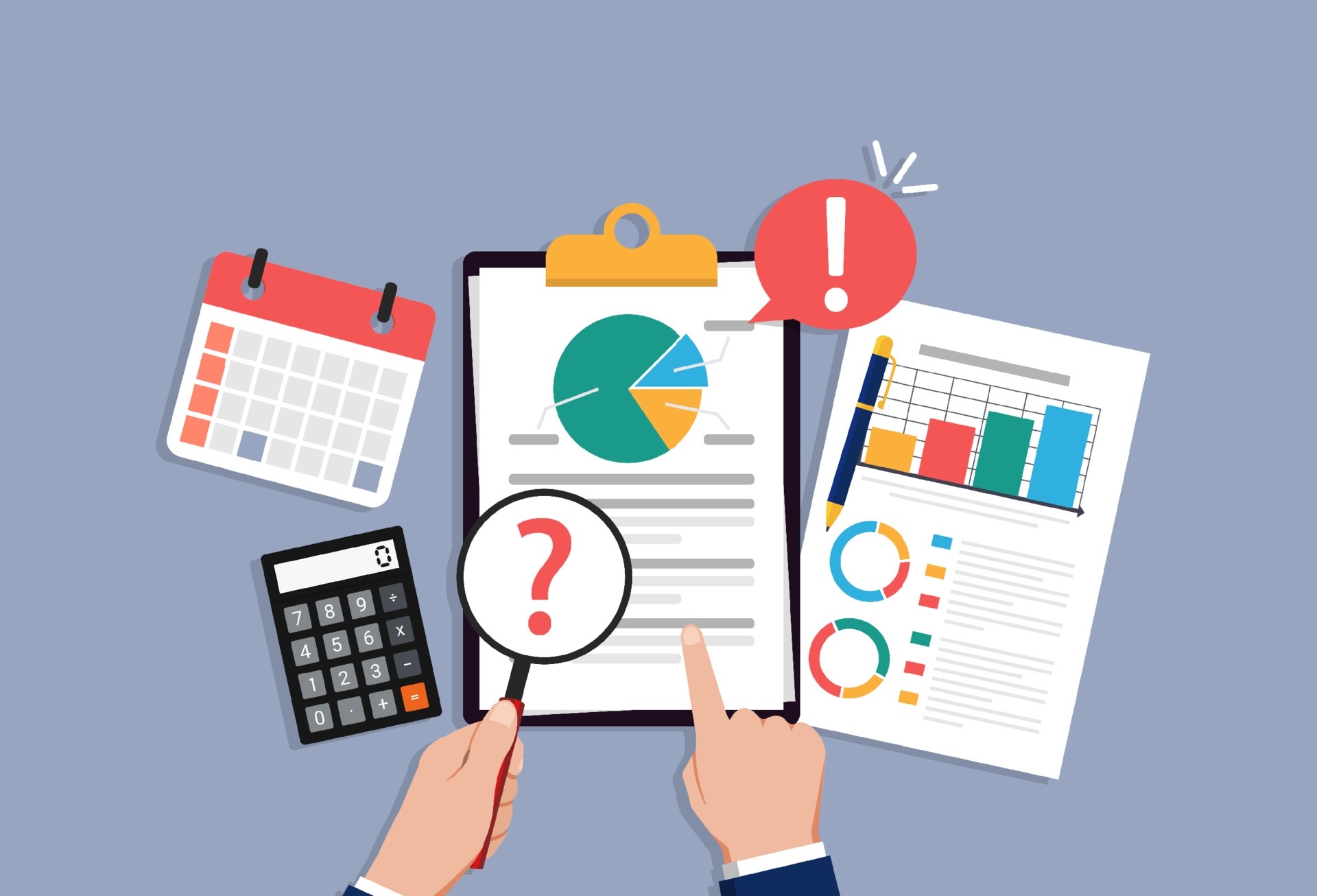
This creates a gap between strategy and execution. Organizations understand what is happening, yet lack a clear mechanism to translate insight into timely, measurable action. This is the fundamental limitation of traditional data-driven approaches, where data is used to observe and validate, but not deliberately designed to drive decisions.
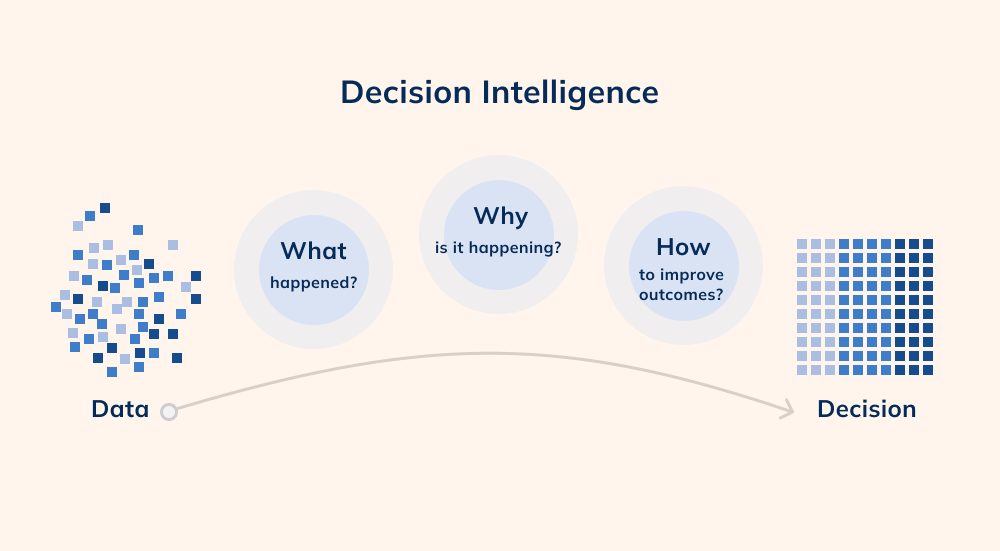
It is precisely from this limitation that a new trend is emerging. Instead of focusing solely on collecting and reporting data, organizations are now prioritizing how data directly participates in the decision-making process – an approach known as Decision Intelligence.
Decision Intelligence: Repositioning the Role of Data
It is precisely from this limitation that a new shift is emerging. Instead of focusing solely on collecting and reporting data, organizations are now prioritizing how data directly participates in the decision-making process – an approach known as Decision Intelligence.
Under mounting pressure to shorten decision cycles and improve governance effectiveness, many enterprises are adopting this new framework. In Decision Intelligence, the value of insight is not measured by the complexity of algorithms or the number of displayed metrics, but by its impact on business decisions. An analysis is considered successful when it helps leaders narrow options, clarify risks, and act faster.
This shift also changes how dashboards are designed. Rather than attempting to present a complete picture, organizations prioritize metrics that trigger action: early warning signals, trend reversals, and anomalies relative to risk thresholds. Reports are no longer repositories of information; they become tools that guide strategic choices.
From Data to Faster Decisions with FPT Data Suite
The shift from data-driven to decision-driven is not merely a change in terminology, but a transformation in how businesses operate. Data no longer sits at the end of the process as a tool for validating results; instead, it becomes a foundational element directly involved in strategic decision-making. However, for data to truly drive decisions, it must first be clean, standardized, and reliable at an enterprise-wide scale.
This is precisely the core challenge that FPT Data Suite addresses. The solution provides an end-to-end data platform that enables organizations to systematically standardize and cleanse data through:
- Automated ETL/ELT pipelines to collect, standardize, and clean data;
- Integration and standardization of multi-source data such as ERP, CRM, POS, accounting, and operations systems;
- Establishment and monitoring of data quality governance rules;
- An intuitive interface that allows even non-technical users to configure and control data effectively.
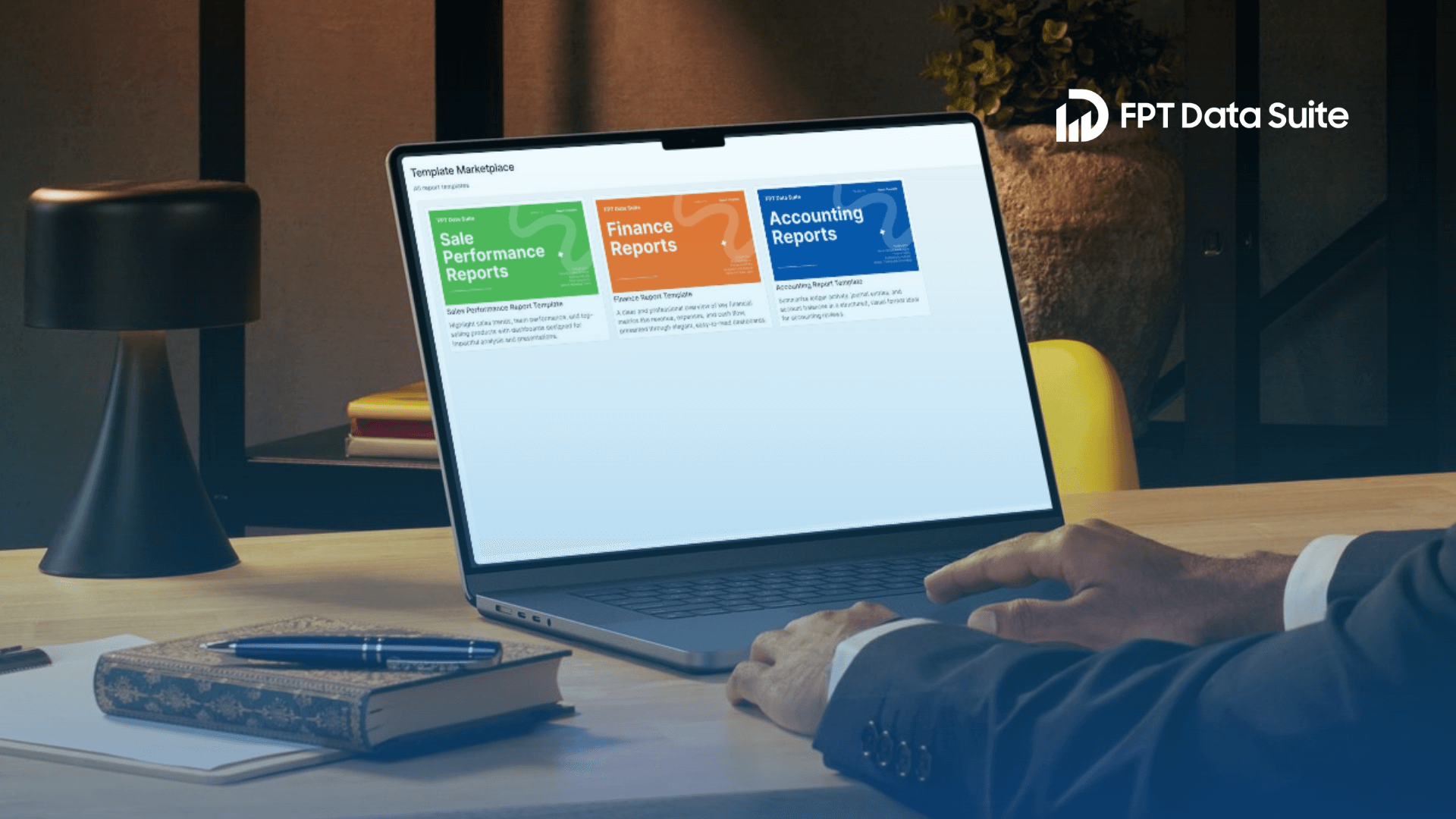
With scalable architecture designed for large datasets and advanced analytics needs, FPT Data Suite ensures accurate data standardization, enabling analytics to generate real business value. At the same time, users can easily create reports from a built-in template library, saving time and accelerating decision-making when adopting a decision-driven approach.
Experience FPT Data Suite: https://fptsmartcloud.vn/Dung_mien_phi